1, Competition in the Crypto Market
Bitcoin is often viewed as the “gold standard” of the crypto market, — it was the first and it’s still the most well-known. But let’s be real: it’s not the only player in the game anymore.
Ethereum (ETH) brings a whole different level of functionality with smart contracts — that means it’s not just a digital coin, but a platform people can build stuff on.
Then we found that other fast, scalable Layer-1 blockchains like Solana and Avalanche are competing for market share, while stablecoins (e.g., USDT, USDC) and CBDCs emerge as alternatives for payments and value storage.
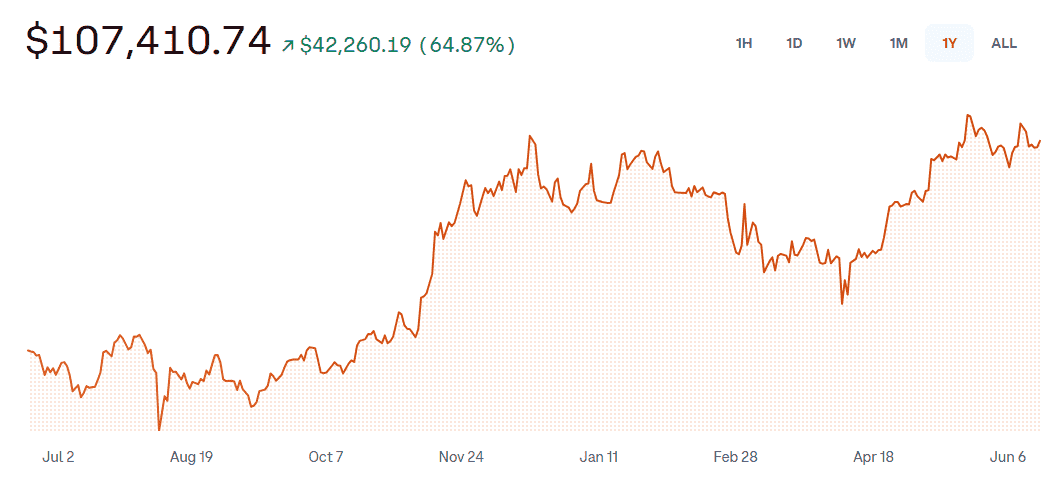
So what happens? When investors see higher potential returns or fresh innovation in other crypto projects, they may move their money out of Bitcoin for a while. That shift in capital can pull Bitcoin’s price down temporarily, even if the long-term outlook stays strong.
2, What Made Bitcoin Value
One of the biggest things driving Bitcoin’s price is simple economics: supply and demand.
Limited Supply: Bitcoin is designed with a limited supply of 21 million. That’s built into the code. That limited supply makes it more valuable—seem like digital gold. When more people want Bitcoin—whether from everyday investors, big institutions, or massive holders (aka whales)—the price tends to rise. More demand, same supply = higher prices.
Bitcoin is also decentralized, its proof-of-work blockchain ensures data integrity, and it’s incredibly tough to hack. This decentralized nature adds to its appeal as a store of value and a reliable asset.
Also, we have to know: what is the halving of Bitcoin? Every four years or so, something called a “halving” happens. This means fewer new Bitcoins are created (mined), so supply slows down even more. In the past, we’ve seen prices rise after each halving—like in 2012, 2016, and 2020. Will 2025 be the same story? Many investors think so.
3, Bitcoin’s Protocol and Predictability
What makes Bitcoin stand out? It’s simple—no middlemen, no central banks, and zero government interference. Unlike traditional currencies, Bitcoin sticks to a fixed reward system, and with each halving event, the supply of new BTC slows down even more. That’s why many investors see it as a solid store of value—scarce, reliable, and designed for the long run.
Bitcoin was designed as an alternative to fiat currencies. It offers a way to transfer value globally without banks or government control. This level of transparency and decentralization has earned it a strong trust from long-term crypto investors.
4, Market Sentiment and Investor Psychology
The Crypto Fear and Greed Index, whale wallet activity, and spikes in trading volume can impact the crypto market and investor decisions.
- Bullish news(ETF approval, adoption by companies, halving cycle) drives FOMO (Fear of Missing Out).
- Bearish news(regulation crackdowns, exchange failures, hacks) causes FUD (Fear, Uncertainty, Doubt).
*The Crypto Fear and Greed Index: Binance.com
5, Social Media and Influencer Impact
Platforms like Twitter/X, YouTube, Reddit, and TikTok are driving the crypto market. Their influence is real and powerful.
Big-name influencers like Elon Musk, Michael Saylor, or popular crypto YouTubers can shake up Bitcoin’s price with just a single tweet or video. Sometimes, Elon Musk’s X post about Bitcoin may spark the buying frenzy among miners.
And as crazy as it sounds — meme culture, viral narratives, and top reddit bitcoin community hype do play a role in determining Bitcoin prices. These short-term coin price changes often have more to do with emotions and buzz than actual fundamentals. In the cryptocurrency world, that’s part of the game strategy.
Is it Worth Mining Bitcoin in 2025? Who Should Do It?
These market dynamics underscore Bitcoin’s core value proposition: decentralization and scarcity. Yet as we shift focus to mining, a critical tension emerges. As Bitcoin mining grows more computationally intensive and network congestion increases, the hardware requirements (and associated power demands) escalate exponentially. This isn’t just about profitability; it’s reshaping participation itself. Rising costs for cutting-edge ASICs and energy infrastructure increasingly marginalize smaller miners, potentially concentrating control among industrial-scale operations. Such centralization risks undermining the very decentralized ethos that defines blockchain technology. So who can still viably mine Bitcoin in 2025—and should you?
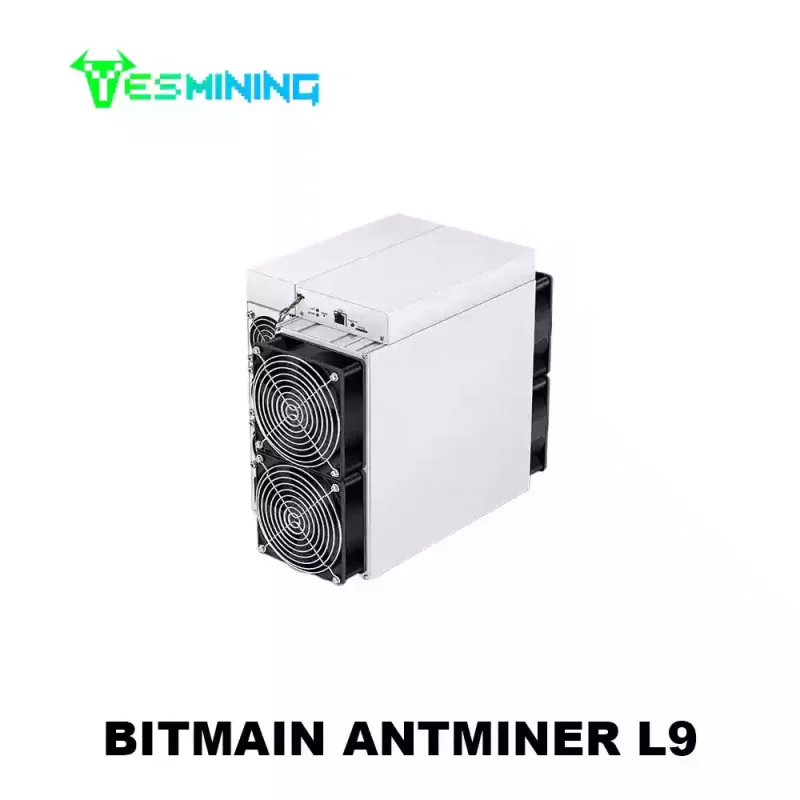
For investors seeking long-term passive income, or those have low electricity costs or renewable energy, Bitcoin mining can still be a good choice. But for miners should face the real challenge for miners is choosing the right btc mining rig that helps you maximize efficiency and reduce costs. Yesmining recommends these 4 Bitcoin mining rigs:
- Avalon Q– The Avalon Q Bitcoin miner, designed by Canaan, is the latest model for solo mining at home. It offers a quiet mining experience while delivering impressive performance. With a hashrate of up to 90 TH/s, it stands out as one of the top miners for solo Bitcoin mining. For more reviews of Avalon models, you can refer to our another Blog How to Mine 3.125 Bitcoin At Home.
- Antminer S21Hydro 335T – For the SHA-256 algorithm, it has an impressive hash rate of up to 335TH/s, one of the fastest hash rates compared to similar Antminers.

 English
  Russian
  Spanish
  French
  German