In 2025, the crypto market has entered a more mature yet cautious phase. As global liquidity cools and speculative growth slows, many investors are realizing that the next cycle may not bring the same explosive price surges as before. Economist von Thünen, in a recent interview with Paul Barron, noted that around 40% of Bitcoin’s price movement is driven by global liquidity, and the current uptrend that began in 2023 is nearing its peak.
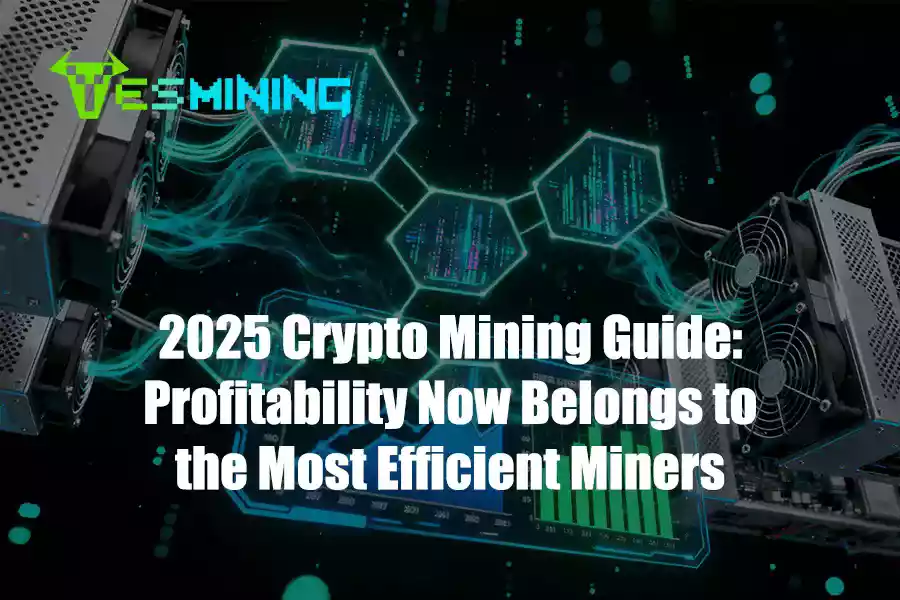
While this might sound bearish for traders, it’s actually a stabilizing force for miners. With volatility easing, mining becomes less about chasing hype and more about managing capital efficiency and hardware performance. For large-scale mining farms and distributors, conducting an ROI comparison between old and new mining rigs is becoming essential — helping them identify which assets deliver sustainable value even in a slower market cycle.
Why a Cooling Market Can Be Good for Mining
As volatility declines, mining operations become more predictable and strategically manageable:
More predictable ROI: Stable prices enable miners to project cash flow and evaluate investments with higher confidence.
Rational competition: Excessive expansion fades, leaving efficient operators with optimized power use and better-managed fleets.
Hardware as an appreciating asset:
In a less speculative environment, machines with consistent performance and low downtime gain value through reliability.
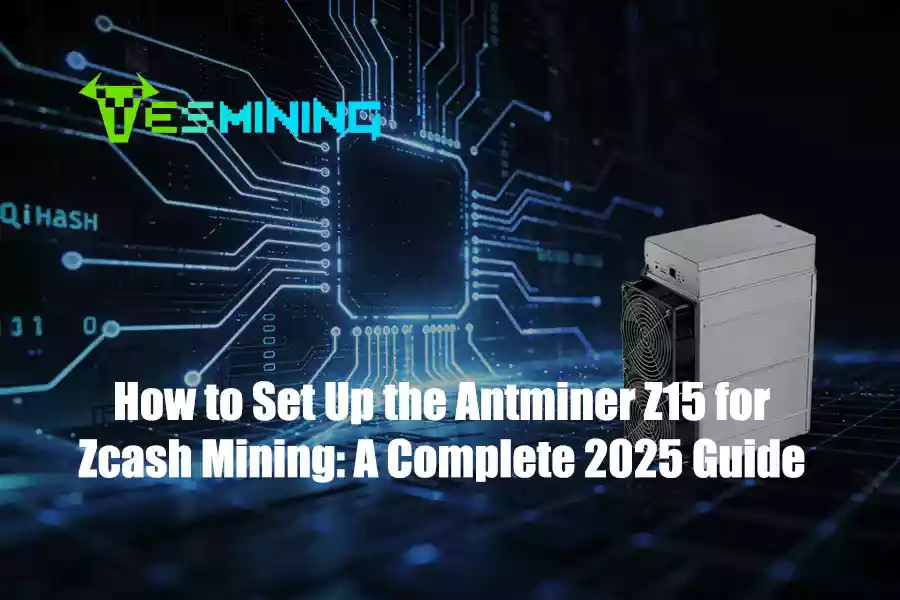
A real-world example comes from the ZEC network. Some miners who accumulated dozens of Antminer Z15 Pro units between 2022 and 2023, and kept them well-maintained, are now seeing a strong comeback in profitability. As Zcash’s network activity and price continued to recover in 2025, those rigs once seen as outdated have turned out to be surprisingly profitable again.
Understanding Mining Rigs as Long-Term Assets
For large-scale mining farms and equipment distributors, thinking like asset managers is now crucial. The era of impulsive hardware upgrades is giving way to asset lifecycle optimization.
Monitor depreciation and efficiency
Track your rigs’ hashrate stability, cooling performance, and power draw to evaluate ongoing asset health.
Plan maintenance schedules
Preventive maintenance extends lifespan and reduces unplanned downtime.
Focus on total cost of ownership (TCO)
Include power cost, spare parts, and potential resale value when calculating ROI.
For additional insight into cost structures, you can refer to our in-depth analysis:
👉 ROI du minage de Bitcoin : pourquoi l'électricité est votre dépense la plus importante.
Even if token prices plateau, a well-managed mining fleet can outperform newer setups burdened by high acquisition costs or poor energy efficiency.
From Speculation to Infrastructure
As Thielen and other analysts point out, a slowdown in global liquidity growth doesn’t spell the end of crypto — it marks the start of a more sustainable cycle.
“No altcoin season may be coming,” Thielen said, “because liquidity growth isn’t sufficient to drive broad speculative rotation.”
This environment rewards miners and distributors who view hardware as durable capital assets rather than disposable profit tools. Mining, in this phase, becomes less about chasing the next bull market and more about building stable, productive infrastructure for the next decade of blockchain computing.
Conclusion
As liquidity-driven surges fade, the mining sector’s winners will be those who:
Manage rigs as financial assets, not consumables.
Optimize energy efficiency and cooling systems.
Maintain operational discipline across cycles.
Treating your mining rig as an appreciating, income-generating asset is not just smart, it’s the foundation for long-term dominance in a maturing crypto economy.

 French
  English
  Russian
  Spanish
  German