Cryptocurrency mining is the core mechanism that supports PoW chains such as Bitcoin and Ethereum Classic. Miners maintain network security by verifying transactions and are rewarded with new coins. Think back to 2009. That’s when Satoshi Nakamoto mined Bitcoin’s first block on a regular computer. It’s a full-blown global race today. Big mining farms with Scaled-powered machines battle it out with individual miner.
The Rules of Supply & Demand in Mining
High demand + Low competition = Big profits:
When crypto prices rise and few miners exist, rewards per machine can skyrocket.
Too much competition = Lower profits:
More miners mean higher network difficulty and electricity costs, forcing miners to upgrade equipment or quit.
How Mining Works: From Hashrate to Hardware
Mining cryptocurrency is a global race where miners (nodes around the world) verify transactions by solving cryptographic puzzles. This requires a lot of computational power, as miners compete using specialized mining hardware, like ASIC miners, to secure the network and earn rewards. The first miner to solve the puzzle gets the rewarded with freshly minted coins, such as 6.25 BTC for Bitcoin.
Faster mining hardware increase the chances that you can win rewards. More attempts per second means get higher chances of solving blocks. This is why miners perfer to invest in specialized hardware like ASIC miners, which are designed for specific algorithms likes SHA-256, zkSNARK or other.
However, the network would adjusts mining difficulty based on the number of active miners. For example, the Bitcoin network is designed so that a new Bitcoin block is mined every 10 minutes on average, but in reality, the time it takes for a miner or mining pool to successfully mine a new block can vary greatly, from a few minutes to a few days or even weeks, depending entirely on their hashrate and luck.
The difficulty of Bitcoin mining has increased significantly as more miners join the competition. This raises the stakes and forces participants to refine their strategies, choosing between upgrading their mining hardware or joining mining pools to stay profitable.
3 Things That Will Make or Break Mining in 2025
Crypto Prices And Risk
Beginners might chase coins like Bitcoin for high rewards, but forget the risks. With today’s intense mining difficulty and industrial competition, mining Bitcoin at home is rarely highly rewarding unless you have almost free electricity. A smarter path? Focus on profitable altcoins like Dogecoin, Litecoin, or Ethereum, one of the best altcoins to mine in 2025 for small setups. These coins work better for small setups, offering steadier returns with less upfront cost.
Electricity Bills
Mining uses lots of power, and high electricity bills can erase your profits. You can always check your local energy rates. Use tools like WhatToMine( 插入https://whattomine.com/) to find coins with lower mining difficulty and better energy efficiency. If power costs are too high, switch to energy-saving hardware or try hosting services.
Hardware Efficiency: Choose the Right Miner
Nowadays, crypto mining isn’t just about buying a machine and waiting for money to come in. Let me explain it like talking to a friend: You need the right tools, smart decisions, regular check-ups, and tight cost control. Many miners get stuck between two big problems – fast equipment upgrades eat into their budgets, while price swings everywhere keep shrinking their profits.
New miners often overspend. Why? No clear plan. Here’s what works:
- Start by learning – understand how mining works through hands-on practice.
- Small steps first – instead of expensive ASIC machines, try GPU miners or home setups.
- Stay flexible – these smaller devices let you mine different coins and reduce trial costs.
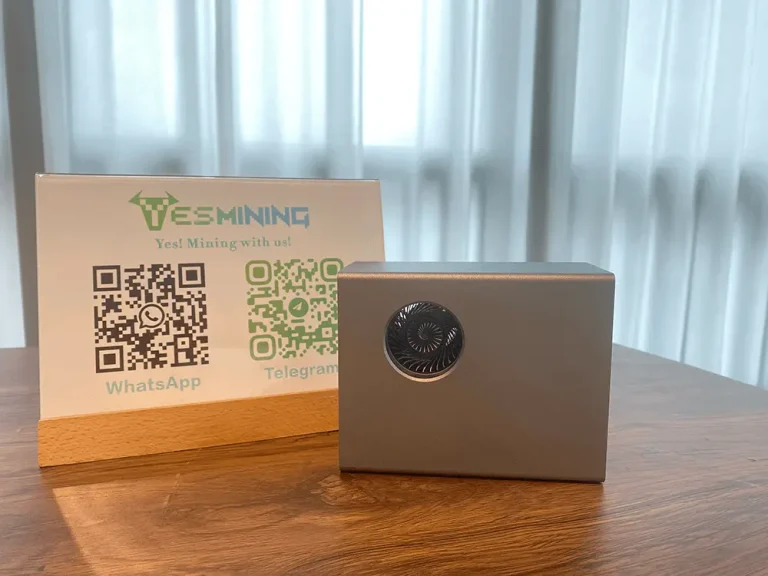
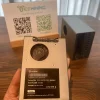
We found this Goldshell Byte miner released in 2025. It is a small desktop miner with a replaceable computing card design! Currently works for ALEO and Dogecoin. More card boxes are coming soon, which means more currency choices. Smart design for beginners!
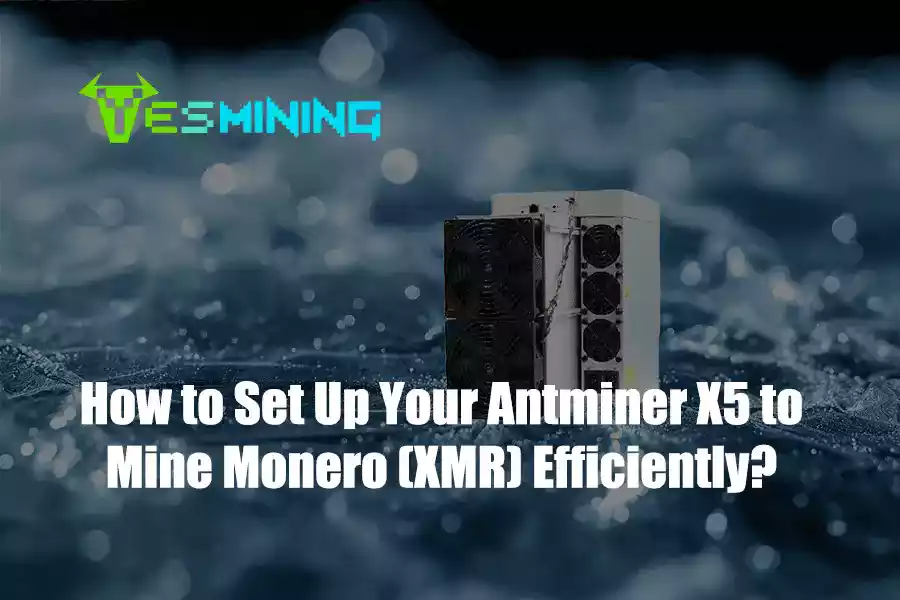
After professional miners conduct thorough market analysis, upgrading to advanced hardware with superior hashrate density becomes critical for maximizing ROI in cryptocurrency mining. The market features both high-performance classic Bitcoin miners and cutting-edge ASIC mining machines engineered for efficiency. (like Bitmain Antminer series Miner)
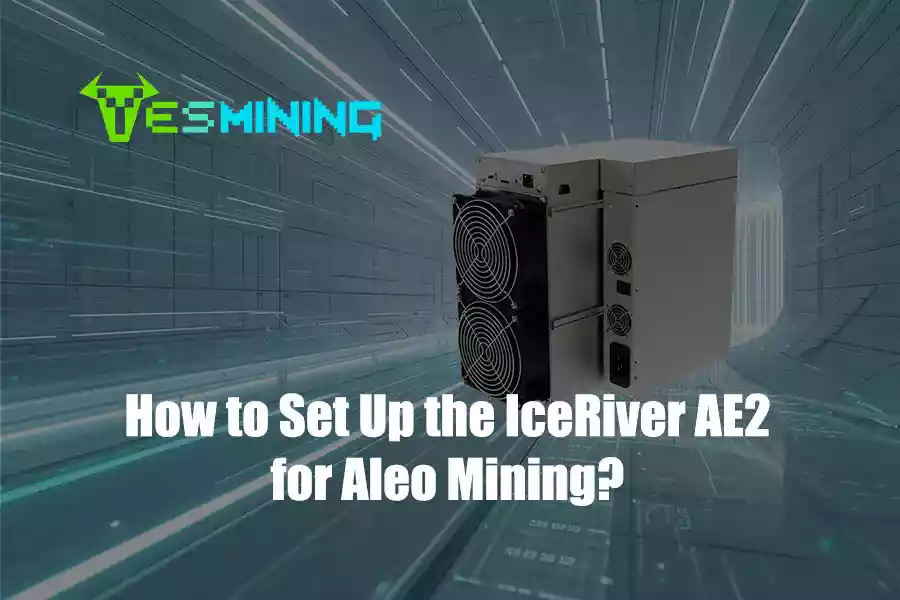
While Bitcoin dominates entry-level mining operations, integrating Dogecoin mining, Litecoin mining, or other profitable altcoin strategies can stabilize earnings. These alternative cryptocurrencies feature lower network competition and adaptable hardware requirements—from compact home mining rigs like the Avalon Nano 3S and Iceriver AE0 to newer Dogecoin mining machines such as the ElphaPex DG2+ and ElphaPex DG1S, making them ideal choices for altcoin miners.
To maximize profitability, decide whether to buy Antminer hardware for Bitcoin’s high-stakes hashrate race or purchase ASIC miner equipment optimized for altcoin algorithms like Dogecoin. By selecting the right ASIC mining machine based on your strategy, miners can strategically allocate resources across profitable networks, from altcoin mining communities to Bitcoin’s competitive ecosystem. Choosing the right mining hardware, which can help users to balance risks and rewards, whether investing in the best Bitcoin miner models or altcoin miners like the DG2+ for Dogecoin mining efficiency.
Need new model hardware? → [Check the 2025 hot miner at Yesmining]
Is Bitcoin Mining in 2025 Profitable
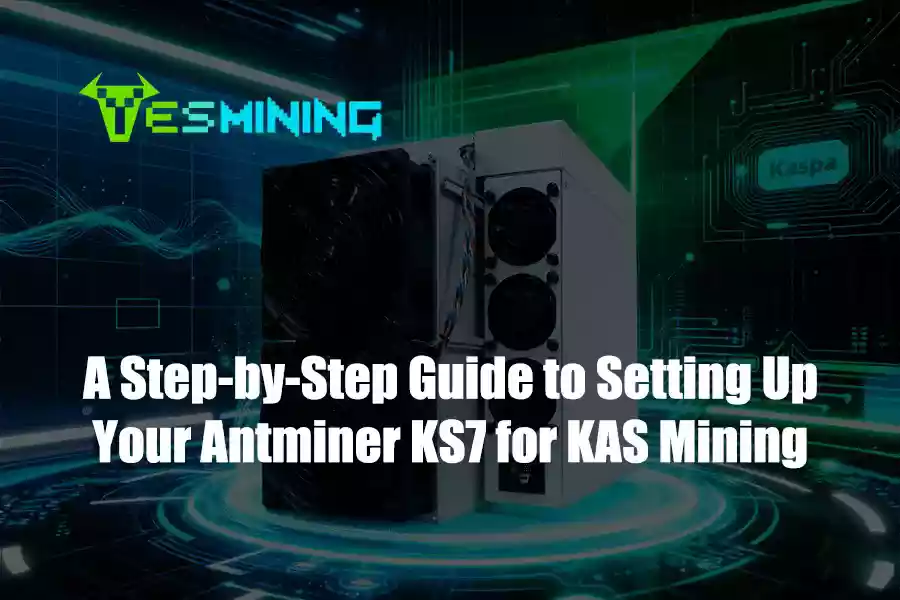
In 2025, Bitcoin mining will depend on energy-efficient hardware and smart power management to reduce operational costs. Diversifying into emerging PoW coins like Aleo and Kaspa, and using multi-algorithm miners, can improve flexibility and returns. Coins like Litecoin (LTC) and Kaspa (KAS) are gaining popularity. Crypto miners in 2025 must constantly monitor algorithm updates, price swings, and even global electricity policies, turning every kilowatt-hour into tangible returns.

 English
  Russian
  Spanish
  French
  German













2 thoughts on “Cryptocurrency Mining Tips in 2025”
Hey very nice blog!
Thank you so much! I’m really glad you enjoyed it. If you liked this one, you’ll probably find more helpful content on our website. Hope to see you around!