 English
  Russian
  Spanish
  French
  German
Blog
ASIC (Application-Specific Integrated Circuit) miners are the most efficient cryptocurrency mining hardware available today. However, because ASICs require substantial upfront costs, understanding their long-term resale value is crucial for investors and active miners.
Whether you’re planning to purchase your first ASIC or considering reselling an older unit, this article will help you learn how to preserve, evaluate, and maximize the resale value of your ASIC miners — ensuring you get the most out of your investment.
Maximizing the resale value of ASIC miners requires careful planning. Successful sellers typically follow these key steps:
Assess the fees and potential profits before choosing resellers.
Clarify payment terms and accept both crypto and cash.
Provide detailed explanations of the miner’s functionality and performance.
Evaluate current market demand for ASIC miners.
Consider selling parts if the miner no longer functions properly.
Key Takeaways
Timing matters. Sell when market demand is high — when many people are looking for ASIC miners, prices rise, and you can make more money.
Keep your ASIC miners clean and well-maintained. Proper maintenance and regular cleaning not only extend the lifespan but also boost its resale value.
Retain the original warranty and packaging. Having the box and valid warranty documents builds buyer confidence and helps your miner sell faster — often at a higher price.
Key Factors That Affect ASIC Miner Resale Value
The resale value of an ASIC miner depends on several important factors. Understanding these can help you predict how much your equipment will be worth over time and when it’s best to sell.
Market Timing and Demand
Resale prices tend to rise during bull markets or when new miners are in short supply. Timing your sale strategically can significantly boost your profit.
In 2021, the global market for ASIC Bitcoin mining hardware was worth $7.44 billion. Experts project it will grow to $27.44 billion by 2033, showing that demand for mining rigs continues to increase as more people enter the mining industry.
Model and Brand Reputation
Well-known brands like Bitmain, Goldshell, and IceRiver tend to hold value longer because buyers trust their performance and durability.
Outdated or lesser-known models, however, often depreciate faster.
Newer models typically use less energy and deliver higher hash rates, making them more appealing on the resale market. ASICs designed for profitable algorithms — such as SHA-256 (Bitcoin) or Scrypt (Litecoin) — also tend to attract stronger demand. When the profitability of a coin decreases, resale prices often follow.
Model Type | Energy Efficiency | Hash Rate | Resale Value Impact |
|---|---|---|---|
Latest Generation | High | High | Highest |
Previous Generation | Medium | Medium | Moderate |
Outdated Model | Low | Low | Lowest |
Power Efficiency and Hashrate
Efficiency is one of the biggest selling points for ASIC miners.
Newer machines that deliver higher hash rates with lower power consumption are more desirable; they save buyers money on electricity while maintaining strong performance, which drives up resale value.
Condition and Maintenance
Like any hardware, ASIC miners lose value with wear and tear.
Keeping your miner clean, well-cooled, and dust-free helps extend its lifespan and preserve resale value. Regular maintenance signals to buyers that your machine has been properly cared for.
Warranty and Packaging
Warranty and packaging can make a big difference in resale value.
Buyers prefer miners that still have valid warranty coverage, as it reduces their risk.
The original box and accessories also help the product look new and protect it during shipping, increasing buyer confidence.
💡 Pro Tip: Always keep the box, receipt, and warranty papers. These details help you get a higher resale value and make selling faster and easier.
Factors That Affect ASIC Mining Profitability
Many things change ASIC mining profitability and resale value. These are market demand, mining difficulty, new technology, condition and care, and warranty. Sellers who know these things can make smart choices and get the best price for their mining hardware.
Factor | Description | Impact on Resale Value |
|---|---|---|
Market Demand | How popular cryptocurrency mining is | High |
Mining Difficulty | How hard it is to mine | Medium |
Technological Advancements | New models and features | High |
Condition and Maintenance | How well the miner was cared for | High |
Warranty Period | If the warranty is still active | High |
Sellers who focus on energy efficiency and keep their mining rigs in good shape can get a better resale value. They can also make more profit and ROI by selling at the right time and knowing what affects asic mining profitability.
Preparing Second-Hand ASIC Miner
Understanding crypto market cycles and ASIC miner demand trends helps sellers choose the best time to sell.
Cleaning and Inspection
Manufacturers say you should clean the miner before selling. Sellers turn off the miner and unplug all cables. They let it cool down in a clean place. Antistatic gloves keep the miner’s parts safe. Compressed air blows dust out of small spaces. Soft brushes clean the fans, heatsinks, and circuit boards. After cleaning, sellers put the miner back together and test it.
Tip: A clean mining rig looks better and shows buyers the seller cares.
Maintenance Records
Sellers who keep good maintenance records help buyers trust them. These records show the miner was taken care of. Buyers feel sure when they see clear records. Miners with good care often sell for more money.
Maintenance logs bring in more buyers.
Good records raise resale value.
Being honest helps buyers trust the seller.
Firmware Updates
Updating firmware makes the miner work better and safer. Sellers look for new updates from the maker. They install updates to fix problems and help the miner run well. Buyers like miners with the newest firmware because they work better and last longer.
Performance Testing
Sellers test the miner to show it works well. They check the hashrate and how much power it uses. They look at the miner’s condition and care history. Sellers also think about market demand and mining difficulty. New technology can change the value of old miners.
Benchmark | Description |
|---|---|
Hashrate | Shows how strong and fast the miner is. |
Power Consumption | Tells how much energy the miner uses. |
Condition and Maintenance | Checks how the miner looks and was cared for. |
Market Demand | Shows how many people want the miner. |
Mining Difficulty | Tells how hard it is to mine. |
Technological Advancements | New models can make old miners worth less. |
Sellers who show a clean miner with good records and strong tests get noticed. Buyers who want to build a mining rig look for these things.
Timing and Market Trends
Price Tracking
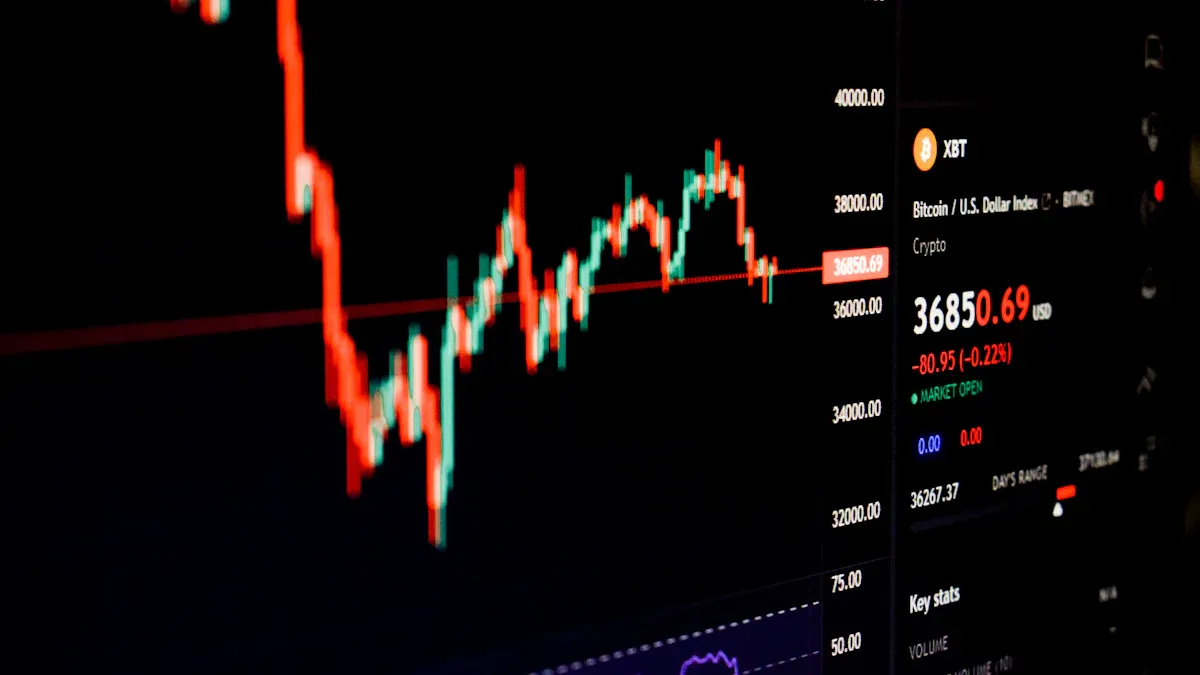
Price tracking helps sellers know when to sell asic mining hardware. They watch the ups and downs of cryptocurrency mining. The market has four main phases, like seasons:
Spring: Prices start to go up from their lowest point. Not many people are interested yet.
Summer: Prices go up fast after halving events. This is called a bull run.
Fall: More people and the news talk about mining. Prices usually hit their highest point.
Winter: Prices fall as people sell to make money.
Sellers who learn these cycles can sell ASIC miners for more money. They use price tracking tools to see trends and pick the best price. This helps them save money and make more profit from mining.
Mining Difficulty
Mining difficulty changes a lot. When it gets harder, old asic mining rigs may not work well. Their resale value goes down because they use more power. They are not as energy efficient. Sometimes, the market needs old models, so prices can rise. Sellers should check mining difficulty before selling their hardware. They try to use less energy and mine in places where power is cheap. This keeps mining profitable and makes asic mining better for buyers.
Market Events
Big market events can change asic mining prices fast. For example:
The China mining ban made ASIC prices drop quickly. Many miners sold their equipment, so buyers had more choices. Also, when Bitcoin prices fall, ASIC prices go down too.
Sellers watch for news about rules, halving, and big price changes. They change their selling plans to avoid losing money and to sell when demand is high. Watching market events helps sellers protect their money and use energy better in mining.
How to Resell Your ASIC Miner
Direct Sale Options
A lot of sellers choose direct sales to get more money. Selling by yourself means you keep all the profit. There are no middlemen to take a cut. Sellers use local forums and social media to find buyers. Some join groups about cryptocurrency mining. They meet buyers in person or use safe online sites. This way, sellers can talk about energy efficiency and the miner’s condition. Buyers can look at the asic miner and test it before buying. Direct sales can give more money, but sellers need to be careful. They should check buyers and stay safe.
Tip: Meet in safe places and get paid before giving the miner.
Third-Party Platforms
Third-party sites help sellers reach more people. Many websites list asic mining hardware for sale. These third-party platforms connect ASIC miner sellers with global buyers, increasing visibility and sales opportunities.
They often protect payments and help with shipping. Some popular sites are eBay, Amazon, and mining forums. Third-party sites may charge fees, so sellers make less money. But these sites are easier and safer for new sellers. Sellers should talk about energy efficiency, warranty, and how well the miner works. This helps get a better resale value.
Platform Type | Pros | Cons |
|---|---|---|
General Marketplaces | Big audience, easy to list | Fees, more sellers |
Mining Forums | Buyers know mining, good advice | Fewer buyers |
Selling Components
Sometimes, selling parts makes more money than selling the whole miner. If a miner breaks or loses value, sellers can sell working fans or power supplies. Some sell control boards too. Many buyers want parts to fix their own miners. This helps sellers get some money back. They can also start mining again with new equipment. Sellers should post clear photos and details about energy use and performance. This brings more buyers. Selling parts can help make more profit, especially if the miner’s resale value is low.
Note: Test each part before selling. This keeps your reputation good and stops returns.
Safe Transactions
Buyer Verification
When reselling ASIC miners, it’s important to ensure buyers are legitimate to avoid scams. Common verification methods include:
Photo ID – ask for a government-issued ID to confirm identity.
Trusted online accounts – verify through Google, Facebook, or similar platforms.
Secure verification tools – use OTPs or other online checks.
Tip: Using at least two verification methods increases transaction safety and buyer trust.
Payment Security
Payment security keeps both sides safe. Sellers use safe ways to get paid, like bank transfers or trusted crypto wallets. Some websites use escrow. Escrow holds the money until the deal is done. This stops cheating and makes things fair. Sellers should not take cash from strangers. They should never give out wallet keys or passwords. Using safe payment methods helps everyone feel safe.
Return Policies
Return policies let buyers know what happens if there’s an issue with a purchased ASIC miner. When reselling, it’s important to inform potential buyers clearly about your return rules, which helps build trust and prevents disputes.
Note: Sellers should tell buyers about their return rules before selling. This helps buyers trust them and stops problems.
Repair or Replace
When your ASIC miner shows reduced performance, deciding whether to repair or replace it is key to maintaining profitability and resale value.
Cost-Benefit
Sellers must choose to fix or replace an ASIC miner. They check if repairs cost less than buying a new one. If fixing is cheap, it can save money. But sometimes, repairs cost almost as much as a new miner. Sellers also think about how repairs change resale value. A miner that was fixed and tested well can get more buyers. If the miner is old or needs lots of repairs, getting a new one might be smarter.
Downtime
When a miner is being fixed or replaced, it cannot make money. This time is called downtime. Sellers lose money every hour the miner is off. If they have many miners, the lost money adds up fast. The table below shows how much money can be lost:
Scenario | Daily Earnings | Hourly Loss | Total Loss Over Time |
|---|---|---|---|
Single Rig | $10 | $0.42 | Varies with downtime |
Multiple Rigs (e.g., 100) | $1,000 | $42 | Varies with downtime |
Extended Downtime (e.g., days) | $10,000 | $420 | Varies with downtime |
Losing money from downtime can happen fast when prices change.
If miners do not work, it takes longer to earn back your investment.
Fixing miners quickly or waiting for parts can cost more.
Upgrade or Sell As-Is
Sellers think about upgrading their ASIC miners before selling. Upgrades can make the miner better and worth more. New upgrades may come with a warranty. Selling the miner as-is is faster, but buyers may pay less. The table below shows the differences:
Aspect | Upgrading ASIC Miners | Selling As-Is |
|---|---|---|
Resale Value | Higher due to new tech | Lower due to age |
Attractiveness | More attractive | Less attractive |
Warranty Coverage | Often includes warranty | No warranty |
Maintenance Issues | Fewer issues | Potential for higher repair costs |
Downtime | Less downtime | More downtime possible |
Sellers who upgrade can get better prices. Those who sell as-is may need to ask for less money. The best choice depends on the miner’s age, repair history, and what buyers want.
Overcoming Resale Challenges
The resale value of ASIC miners can be affected by market volatility, obsolescence, and limited buyer pools. Understanding how to overcome these challenges ensures better ROI.
Volatility
Cryptocurrency mining prices can change a lot. This makes it hard to know what your miner is worth. Sometimes, prices drop fast when the market changes. Sellers use different ways to keep their profits safe:
They make a budget and watch how much they earn and spend.
They mine more than one coin to lower risk.
They wait for prices to go up before selling.
They pay attention to the market and see if people want miners.
They keep their asic mining equipment clean and working well.
They might sell parts if the miner breaks.
Tip: Sellers who wait for a good time can get more money. Selling too fast when prices are low can mean less profit.
Obsolescence
Asic mining changes quickly. New models come out that use less energy. Old mining rigs do not make as much money and lose value. The table below shows what makes a miner last longer:
Factor | Description |
|---|---|
Economic Lifespan | Miners stop making money before they break. |
Physical Lifespan | Good care and strong parts help miners last. |
Competitive Advancements | New models make old ones not as good fast. |
High power bills and new tech make old miners lose value faster.
Sellers who update firmware and save energy can help their miners last longer.
Expanding Buyer Pool
Having more buyers helps sellers get better prices. Sellers try different ways to find more buyers, even in other countries. The table below shows some ways:
Method | Description |
|---|---|
Automated Marketplaces | Make it easy to buy and sell asic mining hardware. |
Professional Resellers | Use their contacts to find more buyers and build trust. |
Auctions | Help sellers get the best price, even for old mining rigs. |
Sellers who use these ways can get more money and find buyers who care about saving energy and making a profit.
Sellers can get more money for asic miners if they keep them clean. They also update the firmware and show how well the miner works. Sellers pay attention to what is happening in the market. They answer buyers fast. A checklist helps them check hashrate, power use, and warranty. Learning new things helps sellers get better prices as more people want asic miners.
FAQ
Here are some of the most common questions about selling and maintaining used ASIC miners:
Q1: How often should I clean my ASIC miner before resale?
A: Clean your ASIC miner every few months. Regular maintenance keeps it looking good and preserves resale value.
Q2: What documents increase buyer trust?
A: Keep maintenance logs and warranty papers. These show the miner was cared for and provide security to buyers.
Q3: Can I upgrade the firmware before selling?
A: Yes, updating firmware improves performance and longevity. Always mention the firmware version in your listing.
Q4: Does the miner’s condition affect resale value?
A: Absolutely. Clean, well-maintained miners with working fans and no damage sell faster and for higher prices.
Q5: When is the best time to sell my ASIC miner?
A: Sell when market demand is high and newer miners are scarce. Timing your sale can significantly boost profit.