In the post-halving era, only the most efficient ASICs will stay competitive. As of October 2025, miners face razor-thin margins, so picking a high-performance rig is more vital than ever. At Yesmining.io, we combine years of crypto mining experience with real-world performance data to guide your choices, not just sell hardware.
Below is our updated list of the 7 most profitable ASIC miners for 2025, focusing on Bitmain, IceRiver, and Goldshell brands. It includes practical specs, ROI estimates, and reasons why each rig deserves a spot. Use this as a benchmark, then calibrate using your local power costs and real-time data platforms (ASICMinerValue, HashrateIndex, etc.).
Why Efficiency & Cooling Matter More Than Ever
After the 2024 halving, block rewards dropped significantly. The bitcoin block reward will drop from 3.125 BTC to 1.5625 BTC after the halving in April 2024. Since then, network difficulty and hashrate continue climbing as operators bring in newer machines. In 2025, any miner whose energy cost exceeds or closely matches its mining return is no longer viable.
To stay profitable, your miner must excel in:
Hashrate per watt
Cooling design (liquid / immersion / high-performance air)
Reliability and maintenance cost
Support, firmware updates, and parts availability
With the right miners, you can navigate the halving era and keep your operation running strong. Yesmining provides trusted sourcing, expert benchmarking, and upgrade support to ensure you get the latest, most profitable rigs for your mining farm.
2025’s Top 7 ASIC Miner Picks (Bitmain / IceRiver / Goldshell)
Here’s our curated ranking as of October 2025:
| Rank | Miner | Hashrate | Power | Efficiency | Why It Stands Out | Estimated ROI* |
|---|
| 1 | Bitmain Antminer S21e XP Hyd (3U) | ~860 TH/s | 11,180W | ~13 J/TH | A leading water-cooled SHA-256 miner optimized for high-density deployment. Its 3U modular design helps in rack space control. With Bitmain’s firmware, you gain stability and low variance in yield. | ~14–18 months (depending on power cost) |
| 2 | Bitmain Antminer S21 XP+ Hyd | 500 TH/s | 5,500W | ~11 J/TH | Offers excellent balance between hashrate and efficiency. More affordable entry to liquid cooling rigs. Suitable for mining farms upgrading from the older S19 / S20 series. | ~12–16 months |
| 3 | Antminer S21 XP Hyd | 473 TH/s | 5,676W | ~12 J/TH | Slightly lower hashrate than the “+” version, but still highly efficient. Good for operations with existing hydro infrastructure. | ~13–17 months |
| 4 | Bitmain Antminer S21 Pro | 234 TH/s | 3,510 W | ~15 J/TH | As a mid-tier rig, the S21 Pro is ideal for scaling up gradually. Less capital-intensive, easier to maintain, and a good fallback when newer rigs are constrained by cost or supply. | ~18–24 months |
| 5 | Goldshell E-AE1M (ALEO Miner) | 230 MH/s | 2,000W | ~8.7 J/MH | While not a BTC miner, this rig targets ALEO (zkSNARK) — useful for diversity or altcoin strategies. Goldshell offers strong build quality, global support, and robust firmware. | Dependent on ALEO prices; ~12–24 months range |
| 6 | Goldshell XT BOX (TARI Miner) | ~580 GH/s | 400 W | ~0.65J/GH | Released September 2025, this compact TARI miner is energy-efficient and low-noise (35 dB). Great for small-scale or desktop deployments, or for stacking alternative-coin rigs. | ~10–20 months (subject to TARI network growth) |
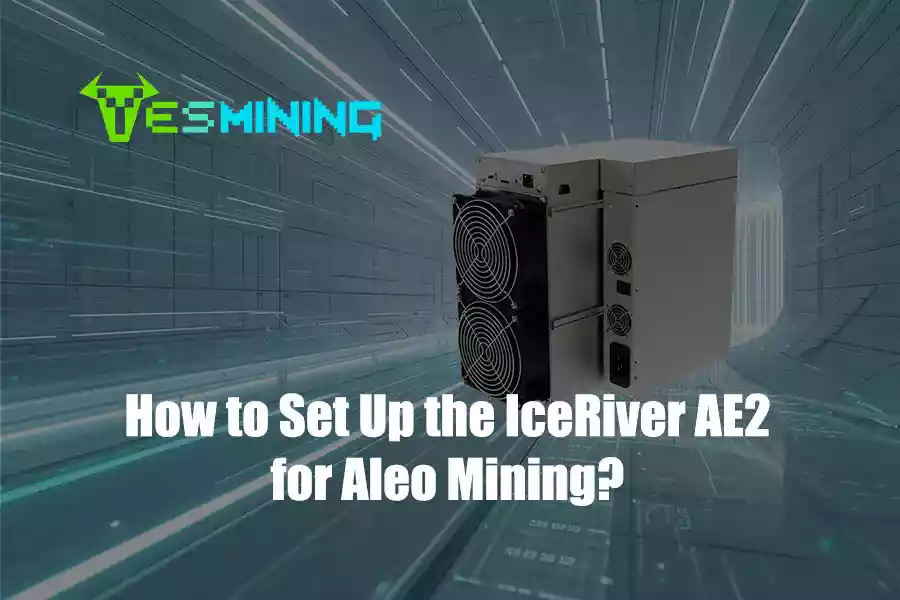
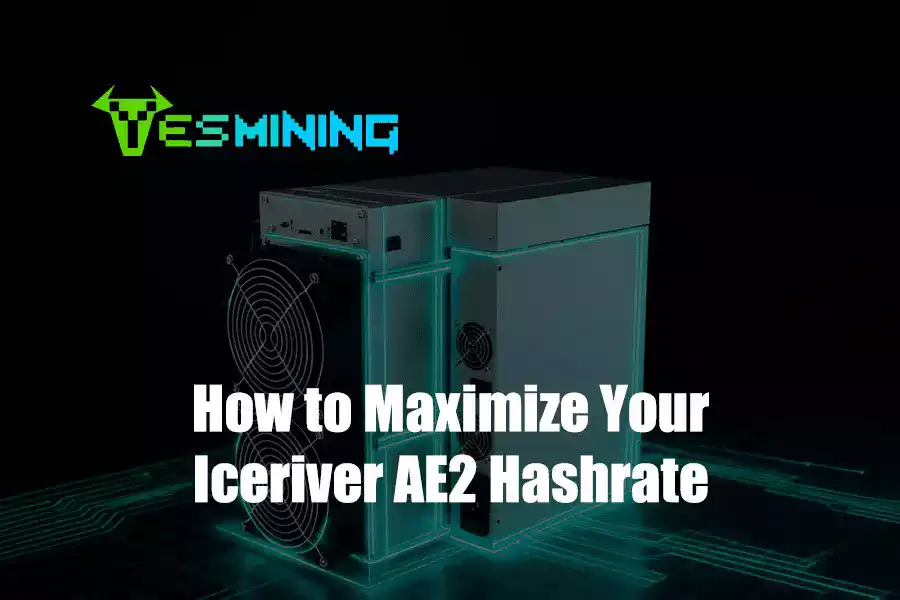
| 7 | IceRiver AE2 (ALEO Miner) | 720 MH/s | 1,300W | ~1.81J/MH | The AE2 has seen real-world reviews showing steady uptime and stable yields. For miners who want to explore zkSNARK ecosystems, this is one of the top-performing rigs in 2025. (Current ROI ~171–231 days at $0.07/kWh) Mining Now | ~6–12 months (in favorable conditions) |
* ROI estimates are purely illustrative and assume moderate crypto prices and stable difficulty. Always model using your local power rate and rig cost.
Practical ROI Calculation (Post-Halving)
Use this method to estimate whether a miner is viable in your market:
1. Power cost
Calculate how much electricity the miner will consume and what that costs you daily.
- Daily consumption
Daily consumption (kWh) = (Wattage / 1000) × 24 - Daily cost (USD)
Daily cost (USD) = Daily consumption (kWh) × Electricity price (USD / kWh)
2. Gross revenue
Use real-time profitability calculators to get the miner’s estimated gross revenue per day (before costs).
Recommended tools: ASICMinerValue, HashrateIndex.
3. Net profit
Subtract power and overheads from gross revenue to find your daily net profit.
Net profit (USD/day) = Gross revenue (USD/day) − Power cost (USD/day) − Overheads (USD/day)
4. Payback period
Estimate how long it will take to recoup the miner’s purchase price.
Payback days = Miner purchase price (USD) / Net profit (USD/day)
Rule of thumb: Miners whose payback periods exceed 24 months in your locale are likely stretching risk too far — especially given crypto volatility and recent fluctuations in U.S. import tariffs, which can affect the upfront cost of mining rigs. Always model ROI using your actual electricity rate, miner cost (including any potential tariffs), and a realistic estimate of gross revenue.
Cooling, Maintenance & Future Proofing Tips
Liquid / Hydro cooling: Best for high-density farms. Helps reduce fans and improve thermal control.
Immersion cooling: Gaining traction for scalability, especially for the Antminer.
Firmware tuning & maintenance: An optimized firmware can unlock extra ~1–3% efficiency. Yesmining provides recommended firmware configurations and best-practice guidance to help you maximize your miner’s performance.
Staged deployment: Don’t replace your whole fleet at once. Use trade-ins or redeploy older units to lower-energy-cost zones.
Parts & service availability: Brands such as Bitmain, IceRiver, and Goldshell offer official warranty services, although the process can be complex. Yesmining takes responsibility for our clients, assisting them in contacting official customer support for Bitmain, IceRiver, and Goldshell products to ensure timely repairs and service.
FAQ
Which ASIC miner is most profitable in 2025?
It depends on your power cost, cooling infrastructure, and capital availability. Generally, high-efficiency rigs like S21e XP Hyd or S21 XP+ Hyd lead for SHA-256 mining, while goldshell and IceRiver models may perform better in altcoin strategies.
Can I mix Bitcoin and altcoin miners?
Yes — diversifying across BTC and promising altcoins (e.g., ALEO, TARI) helps hedge against BTC difficulty spikes or price drops.
Is it worth holding older rigs?
Only if your electricity is extremely cheap (< $0.03/kWh) or you can repurpose them elsewhere; otherwise, margins erode fast. From our work with miners worldwide, we’ve found that recognizing the optimal moment to refresh aging mining hardware is critical for sustaining long-term profitability.
What’s a safe ROI target?
Aim for payback under 18–24 months at your power cost. Anything beyond 24 months is riskier in the changing landscape.
How often should I re-evaluate profitability?
Monthly at minimum. Use real-time tools (ASICMinerValue, HashrateIndex) to catch when a miner becomes marginal.

 English
  Russian
  Spanish
  French
  German